


Orbital AtelierPUBLIC FIELD NOTES / 2026
INTERACTIVE FIELD GUIDE

01 / A practical AI harness

The harness
is the asset

Models can reason. A harness turns that capability into repeatable work.

Six scenes connect instructions, tools, memory and checked outcomes.

Enter the laboratory

Made by Vladimir Vorotilov

Public field guide · About 3 to 5 minutes
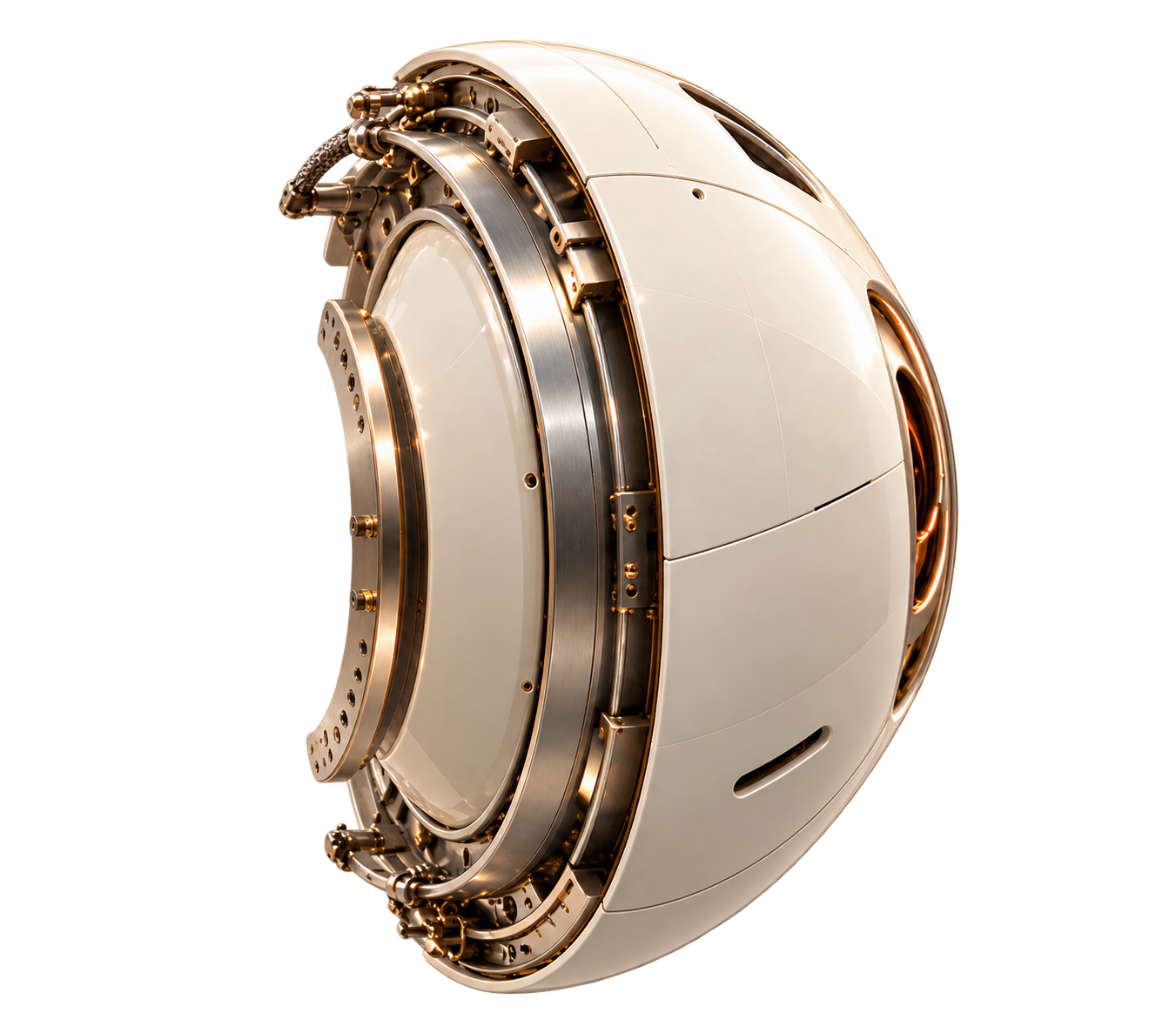
Ivory and brass spherical mechanism, a visual metaphor for the modelCORE 01 / REASONING UNIT

Further context

Public presentation

The story follows one idea from capability to dependable assistance.

Each scene can stand alone, while the complete route takes about three to five minutes.

Concept
Reliable AI depends on the system around the model.
Presented
Perth Machine Learning Group, 21 September 2026.
Format
Six scenes with optional explainers.

02 / Capability becomes a working system

A model reasons.
A harness operates.

The harness connects intent, context and action.

It prepares the task, calls the model and tools, carries state forward, and decides when more work or a check is needed.

Teaching model · Select Model or With harness
Ivory and brass spherical mechanism, a visual metaphor for the model
Reasoning & generationScroll to open the mechanism, or use the switch.

Further context

Harness components

A model produces the next response or decision. The harness supplies the task, available actions, continuity and acceptance checks.

These components can be simple for one task or grow into a durable operating system.

Context
The current task and relevant information.
Tools
The actions the system may perform.
Boundaries
Permissions and conditions that remain true.
Memory
Useful state carried into later work.
Verification
Evidence that the requested outcome was reached.

03 / Make the work repeatable

Instructions.
Skills. Tools.

Reliable assistance comes from clear roles and reusable working methods.

Instructions define purpose and boundaries. Skills package repeated procedures. Tools connect the system to files, software and people. Review keeps the result tied to the task.

One task · Clear boundaries · A check at the end
WORKING SYSTEMOPERATING KIT
PURPOSE & BOUNDARIES

Instructions

Define the task, priorities, permissions and conditions that remain true.

What should exist?
What may the system do?
What must stay true?
Clear intent before action

Further context

Four working surfaces

A useful harness gives each part of the job a clear home.

The same pattern scales from a single research task to ongoing operational assistance.

Instructions
Define the goal, priorities and boundaries.
Skills
Reuse a proven procedure for recurring work.
Tools
Read, create, calculate, browse or communicate within scope.
Review
Open the result where it will be used and check the outcome.

04 / Continuity across sessions

Useful memory
reaches the work

Saved knowledge matters when it returns in the right context.

The path is simple to describe: save a durable fact, retrieve the relevant passage, deliver it into working context, and use it to improve the current task.

Illustrated memory path · Select each stage
CONTINUITY CHANNEL / 04 HANDOFFS
OBSERVATION 01

A durable record

The fact exists outside the current conversation.

Illustrated mechanism

Further context

Four stages

Durable sources preserve knowledge beyond the current conversation.

Retrieval selects relevant material, and working context combines it with the current task.

Saved
Knowledge exists in a durable source.
Retrieved
Relevant material is selected.
Delivered
The selected material reaches working context.
Used
The answer or action applies it to the current task.

05 / The meaning of done

Check the result
where it matters

A saved artifact is a checkpoint. A checked outcome completes the claim.

Open the document, exercise the interaction, inspect the calculation or confirm the receiving system. Match the evidence to the outcome you promised.

File check and receiving-end check
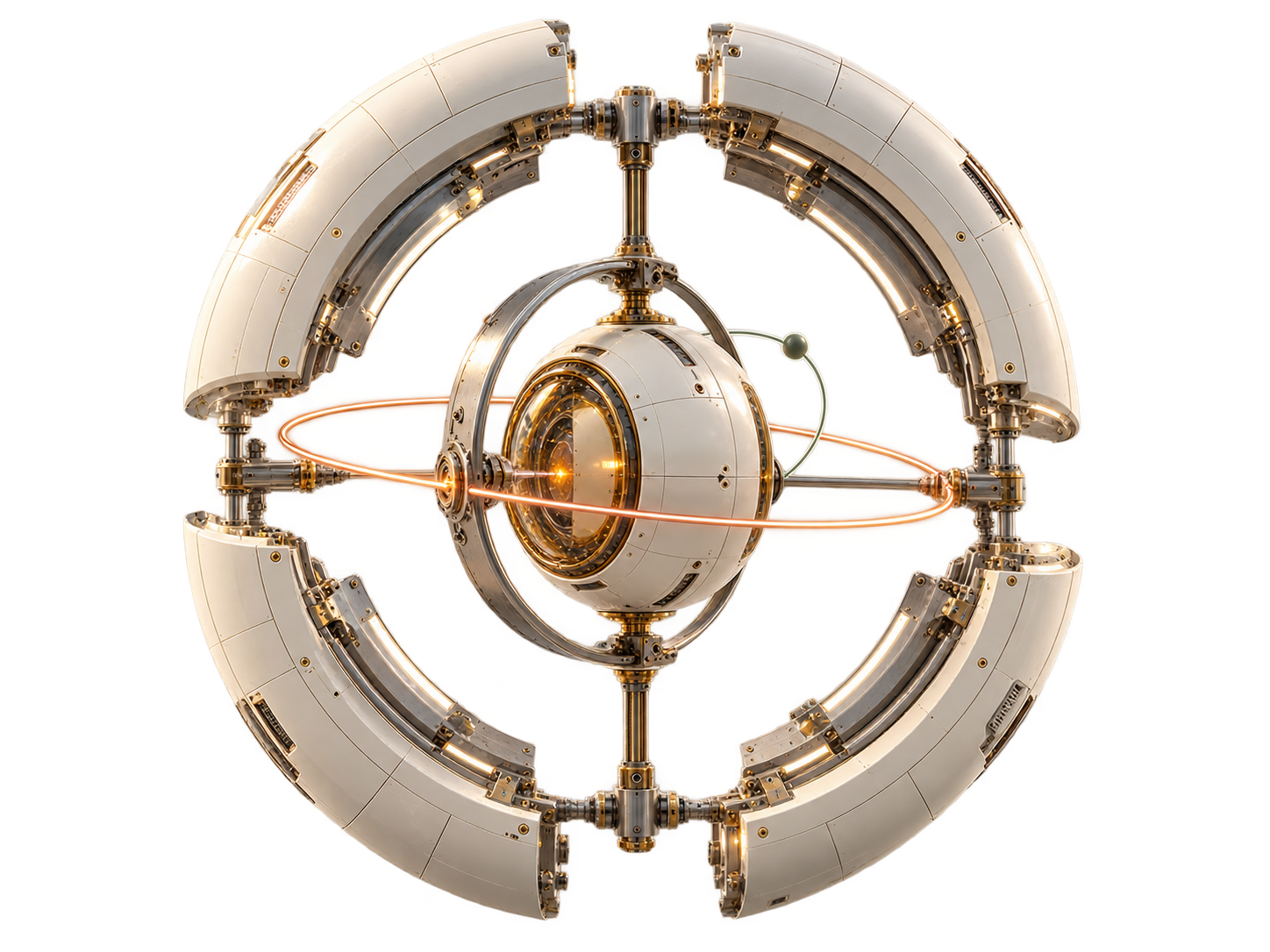
A suspended orbital receiver, representing a checked outcome
RECEIPT / ILLUSTRATION
FILE SAVED

A recoverable checkpoint exists.

The artifact is available for review at the next stage.

Checkpoint: saved and inspectable

Further context

Receiver-side check

A file check confirms that the artifact exists.

A receiving-end check exercises the result in the place or workflow where it is intended to work.

Claim
Name the exact outcome.
Check
Observe that outcome at the receiving side.
Scope
State which scenario the check covered.

06 / Practical AI assistance

Build what
survives

Leave the next session a clear task, relevant context and a check that matters.

The model may change. Useful instructions, memory, tools and evidence make the work understandable, recoverable and ready to continue.

Connect with Vladimir.
Build practical AI assistance for real work.
Concept, art direction and presentation by Vladimir Vorotilov
Ivory and brass spherical mechanism, a visual metaphor for the model
TaskSourcesArtifactCheckHandoff

Further context

About this edition

Concept, art direction and presentation by Vladimir Vorotilov. Built with AI-assisted development.

Presented at Perth Machine Learning Group, 21 September 2026.

Author
Vladimir Vorotilov, AI & Analytics Consultant in Perth, Western Australia.
Connect
linkedin.com/in/vladimir-vorotilov/
Invitation
Let’s build practical AI assistance for real operational work.

Optional reference cards

Harness explainers

About the presenter

Vladimir Vorotilov

AI & Analytics Consultant · Perth, Western Australia

My background is in mining and heavy-equipment OEM dealer operations. Today I build practical AI workflows, analytics and agent systems for real operational work.

QR code linking to Vladimir Vorotilov on LinkedIn
Scan to connect on LinkedIn

Concept, art direction and presentation by Vladimir Vorotilov. Built with AI-assisted development. Presented at Perth Machine Learning Group · 21 September 2026.

Sources: Vladimir Vorotilov on LinkedIn

Optional explainer / Harness basics

What is a harness?

The operating layer around a model that turns reasoning into controlled action.

It assembles instructions and relevant context, runs the model-tool loop, maintains task state, and checks outcomes.

Intent & context
Model
Tool
Observe & check
Continue or stop

Instructions

Purpose, priorities and boundaries

Context & memory

Relevant information and saved state

Tools

Permitted actions

Execution

Model calls, tool results and continuation

Triggers

A request, schedule or event

Verification

Evidence that the result meets the task

Sources: Anthropic, Demystifying evals for AI agents, Cloudflare, Agent harnesses

Optional explainer / Continuity

From saved knowledge to working context

How memory enters working contextTwo retrieval paths converge on selected evidence. Instructions and the conversation also enter working context. Model and tools produce an outcome, with deliberate saving back to durable sources. SOURCESRETRIEVALTHIS SESSIONEXECUTIONInstructions& skillsCurrent factsSaved knowledgeSession historyPassage indexSession indexSelectWorkingcontextConversationModelToolsVerified resultDeliberate write-backEntity graphUpdateQuery / result
Follow the connected paths
Read the diagram

Sources. Instructions & skills: Reusable guidance; Current information: Authoritative working facts; Saved knowledge: Durable facts and lessons; Prior sessions: Relevant interactions.

Retrieval. Saved knowledge + current information → Knowledge index / Relevant passages. Prior sessions → Session index / Relevant interactions.

Assembly. Relevance, scope & freshness. Instructions also enter working context directly. Working context / Current task + selected knowledge.

Execution and return. Model + tools → Checked outcome / Useful next state. Deliberate write-back.

Entity graph. Relationship map / Connected topics. Saved sources update the graph. Tools query it on demand and receive results. Passage and session indexes supply the automatic recall paths.

Sources remain authoritative; indexes help select relevant context.

Sources: LangChain, Memory concepts

Optional explainer / Activation

Act when it matters

Requests, schedules and events bring the right work into focus.

The harness loads current context, respects permissions and decides whether there is useful work to do.

You askDirect request
A time arrivesScheduled task
Something changesEvent trigger
Is this relevant and authorised?
Act and check the result
Wait for the right moment

Coding and agentic harnesses overlap. Both can use memory, schedules, event triggers and tools when the task calls for them.

Sources: Cloudflare, Agent harnesses

FIELD NOTE

OPTIONAL EXPLAINER
STATION ROUTE CHART

A system built from experience.

Choose a chamber. Every stop is an entry point.